
Solar System
Did You Know?
The Solar System is about 4.6 billion years old, formed from a collapsing cloud of gas and dust.
Iconic Missions
Overview
A cosmic dance of planets, moons, and asteroids around our life-giving star
The Solar System is the gravitationally bound system of the Sun and the objects that orbit it. It formed approximately 4.6 billion years ago from the gravitational collapse of a giant interstellar molecular cloud. The vast majority of the system's mass is in the Sun, with most of the remaining mass contained in Jupiter. The four inner planets are terrestrial planets, while the four outer planets are gas giants.
The Sun
The heart of our solar system, powering life itself
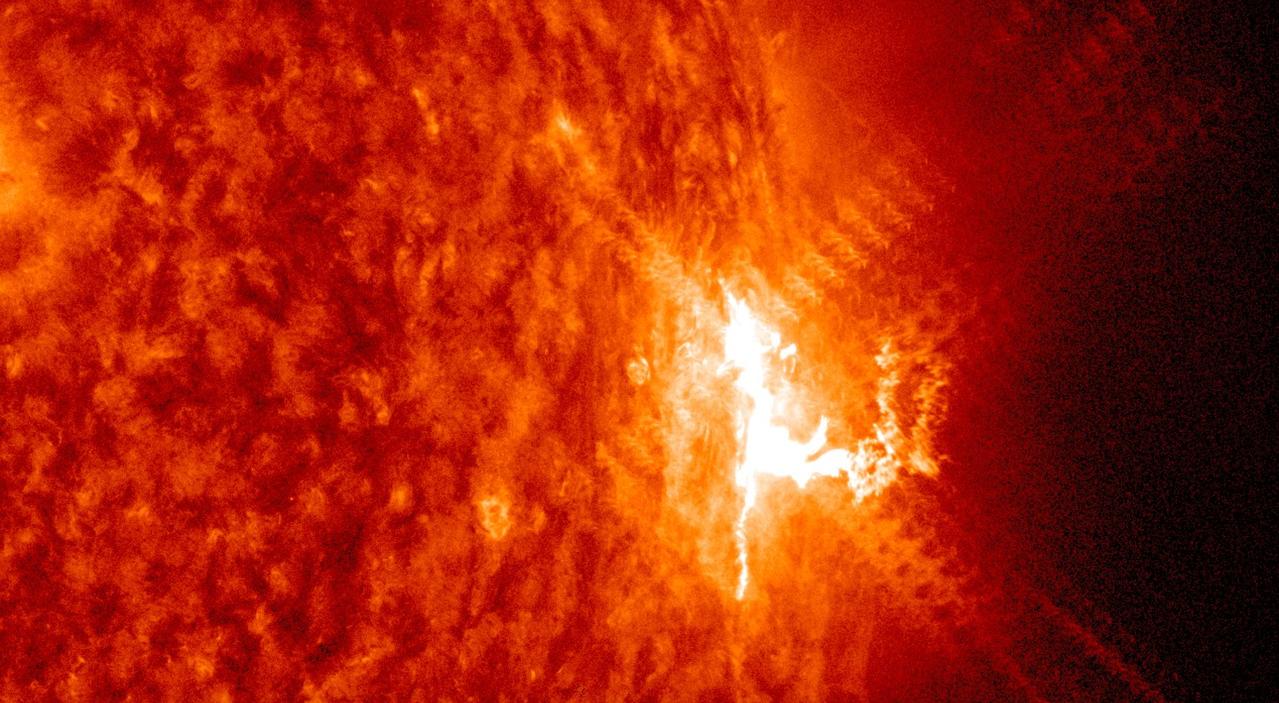
At the center of our Solar System is the Sun, a G-type main-sequence star that contains 99.86% of the system's known mass. The Sun's enormous gravitational pull keeps all planets, asteroids, comets, and other objects in orbit around it. It's a massive nuclear fusion reactor, converting hydrogen into helium and releasing vast amounts of energy. Every second, the Sun converts 600 million tons of hydrogen into helium, releasing energy equivalent to billions of nuclear bombs.

The Eight Planets
Eight worlds, each a universe of wonder waiting to be explored
Our Solar System contains eight planets: four terrestrial planets (Mercury, Venus, Earth, and Mars) and four gas giants (Jupiter, Saturn, Uranus, and Neptune).
- Mercury: Closest to the Sun, with extreme temperature variations
- Venus: Hottest planet with a thick, toxic atmosphere
- Earth: The only known planet with life
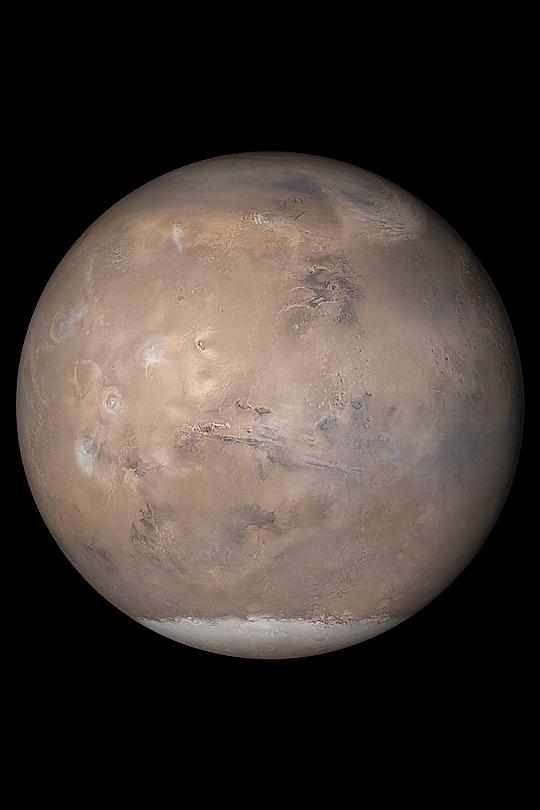
- Mars: The Red Planet, future target for human exploration
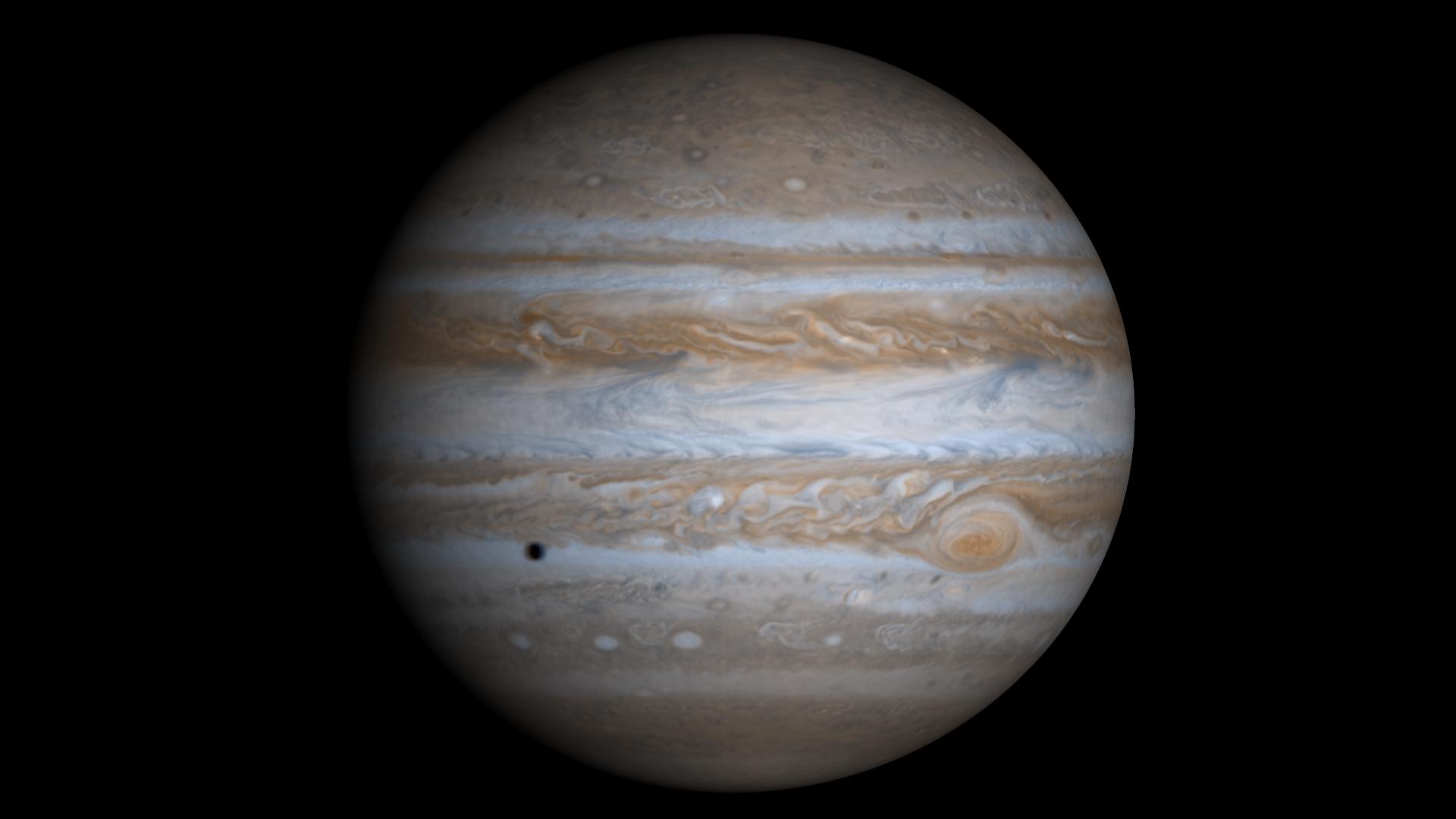
- Jupiter: Largest planet, with a Great Red Spot storm
- Saturn: Famous for its spectacular ring system
- Uranus: Rotates on its side
- Neptune: Fastest winds in the Solar System

Dwarf Planets and Small Bodies
The cosmic frontier where small worlds hold big secrets
Beyond Neptune lies the Kuiper Belt, home to dwarf planets like Pluto, Eris, and Haumea. The Solar System also contains millions of asteroids, primarily located in the asteroid belt between Mars and Jupiter, and countless comets that originate from the Oort Cloud, a distant spherical shell of icy objects surrounding the Solar System at distances up to 100,000 astronomical units.
Gallery


Amazing Facts
The Solar System is 4.6 billion years old
This fact reveals the incredible scale and wonder of our universe.
Click to flip back
It takes light 8 minutes to travel from the Sun to Earth
This fact reveals the incredible scale and wonder of our universe.
Click to flip back
Jupiter protects inner planets by deflecting asteroids
This fact reveals the incredible scale and wonder of our universe.
Click to flip back
The Oort Cloud extends almost halfway to the nearest star
This fact reveals the incredible scale and wonder of our universe.
Click to flip back
Test Your Knowledge
Solar System Quiz
What percentage of the Solar System's mass does the Sun contain?
Your Next Jump
Continue your journey through the cosmos
Planets
Explore planets and discover more cosmic wonders
Mars
Explore mars and discover more cosmic wonders
Jupiter
Explore jupiter and discover more cosmic wonders
Asteroids
Explore asteroids and discover more cosmic wonders
Comets
Explore comets and discover more cosmic wonders