
Planets
Did You Know?
Jupiter is so massive that all other planets in the Solar System could fit inside it!
The Eight Planets
Our Solar System contains eight planets, each unique and fascinating. Click on any planet below to explore it in detail, or scroll down to see the timeline of planetary exploration.



Tip: Each planet card above has a unique ID. Scroll down to see the timeline of planetary exploration, where you can click to jump to specific planets and their images.
Terrestrial Planets
The four inner planets—Mercury, Venus, Earth, and Mars—are called terrestrial planets because they have solid, rocky surfaces. These planets are relatively small and dense, with metallic cores and silicate mantles and crusts.
- Mercury: The smallest planet, closest to the Sun, with extreme temperature variations from 427°C to -173°C
- Venus: The hottest planet with a thick, toxic atmosphere and crushing surface pressure 92 times that of Earth
- Earth: The only known planet with life, featuring liquid water and a protective atmosphere
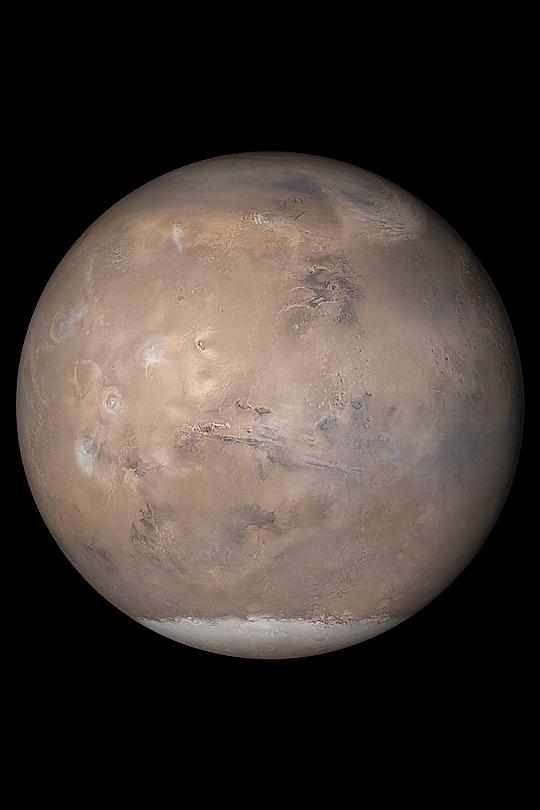
- Mars: The Red Planet, with evidence of ancient water and potential for future human exploration

Gas Giants
Jupiter and Saturn are gas giants, massive planets primarily composed of hydrogen and helium. They lack solid surfaces and have thick atmospheres with swirling clouds and powerful storms.
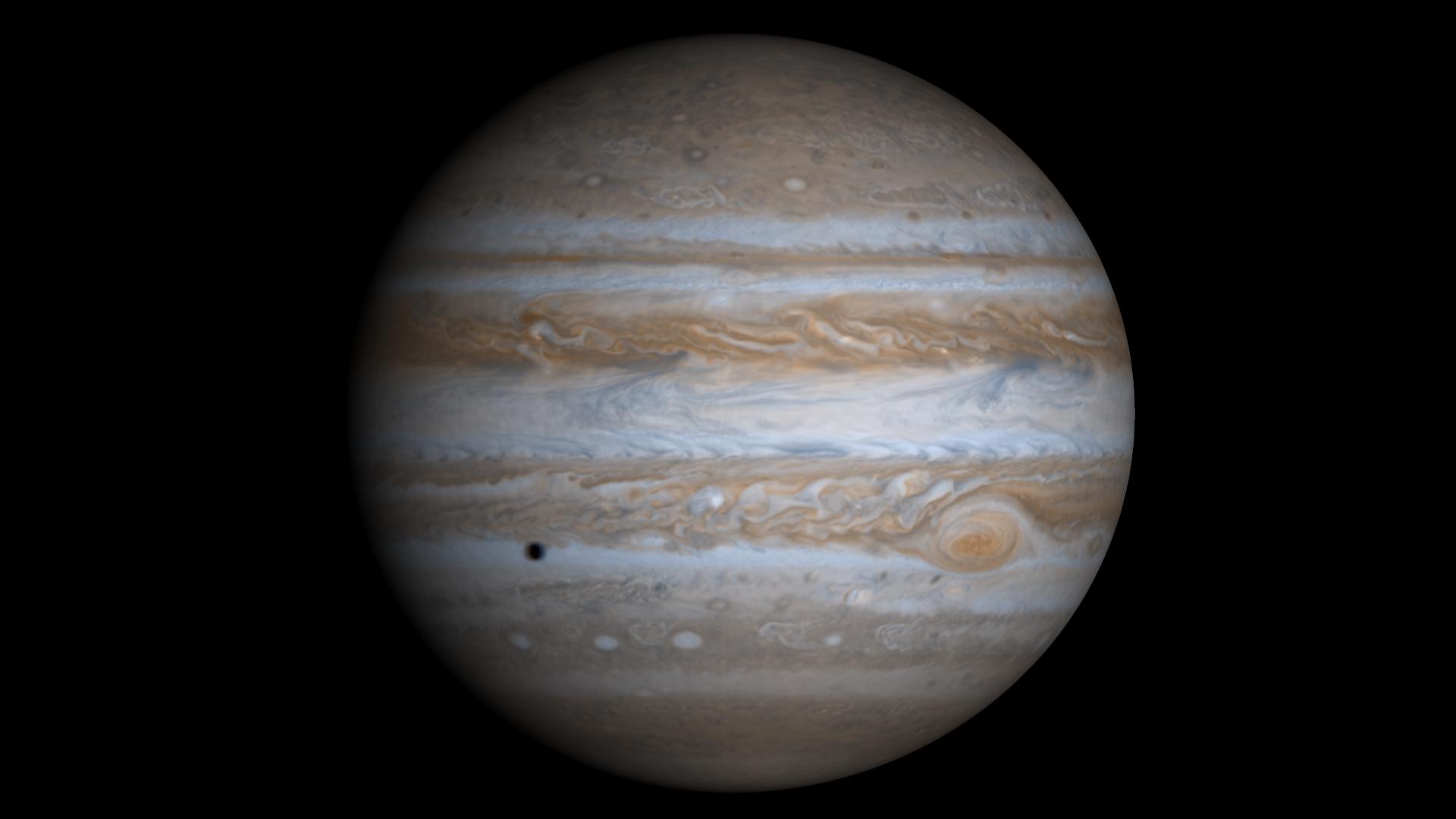
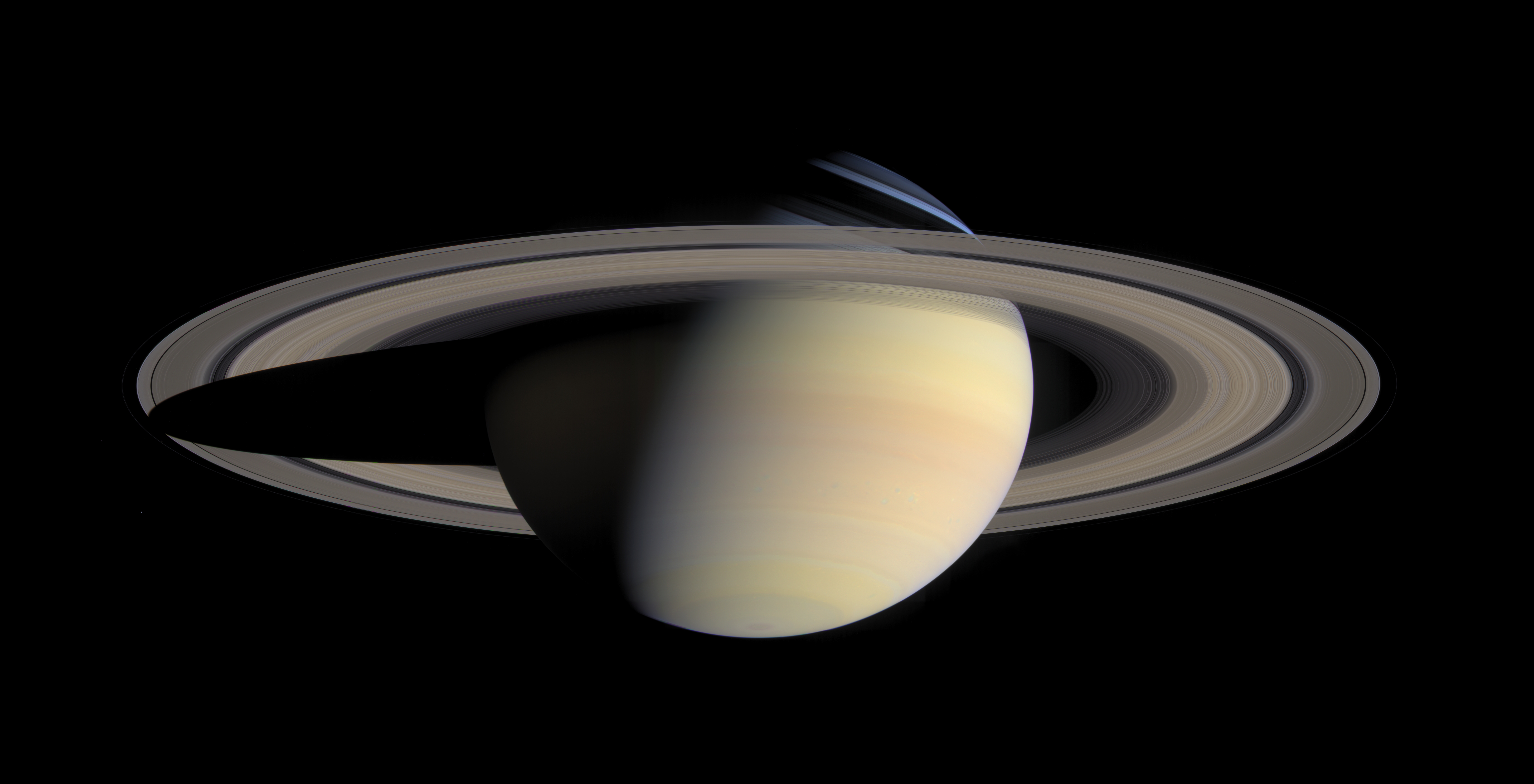
Jupiter is the largest planet in our Solar System, with a Great Red Spot—a storm larger than Earth that has been raging for centuries. Saturn is famous for its spectacular ring system, made of ice particles and rocky debris orbiting the planet.
Ice Giants
Uranus and Neptune are ice giants, composed primarily of water, methane, and ammonia ices surrounding a rocky core. These distant planets have deep, cold atmospheres and unique characteristics.
Uranus rotates on its side, likely due to a massive collision in its past. Neptune has the fastest winds in the Solar System, reaching speeds of up to 2,100 km/h (1,300 mph). Both planets have faint ring systems and numerous moons.
Planetary Exploration Timeline
Explore the history of planetary exploration. Click on any timeline event to jump to the related planet section and image above.
Galileo Discovers Jupiter's Moons
Galileo Galilei observed Jupiter's four largest moons (Io, Europa, Ganymede, Callisto) using a telescope, proving that not everything orbits Earth.
Saturn's Rings Discovered
Christiaan Huygens discovered Saturn's rings and its largest moon, Titan, using an improved telescope.
Uranus Discovered
William Herschel discovered Uranus, the first planet discovered with a telescope. Initially thought to be a comet.
Neptune Discovered
Neptune was discovered through mathematical predictions by Urbain Le Verrier and Johann Galle, the first planet found by calculation rather than observation.
Mariner 2 to Venus
NASA's Mariner 2 became the first successful interplanetary mission, flying by Venus and confirming its extreme surface temperature.
Mariner 4 to Mars
Mariner 4 sent back the first close-up images of Mars, revealing a cratered, Moon-like surface.
Mariner 10 to Mercury
Mariner 10 became the first spacecraft to visit Mercury, mapping 45% of its surface and discovering its magnetic field.
Voyager Missions Launch
Voyager 1 and 2 launched to explore the outer planets. Voyager 2 visited Jupiter, Saturn, Uranus, and Neptune.
Galileo Arrives at Jupiter
The Galileo spacecraft arrived at Jupiter, studying its atmosphere, moons, and magnetic field for 8 years.
Cassini Arrives at Saturn
The Cassini spacecraft began its 13-year mission studying Saturn, its rings, and moons, especially Titan and Enceladus.
Messenger at Mercury
NASA's MESSENGER became the first spacecraft to orbit Mercury, mapping its entire surface and studying its composition.
InSight Lands on Mars
NASA's InSight lander arrived on Mars to study the planet's interior, measuring marsquakes and heat flow.
Planetary Characteristics
Each planet has unique features: atmospheres, magnetic fields, moons, and geological activity. Some planets have rings, others have extreme weather patterns, and some may have subsurface oceans. Understanding these diverse worlds helps us learn about planetary formation and the potential for life elsewhere in the universe.
Amazing Facts
Jupiter has 95 known moons
This fact reveals the incredible scale and wonder of our universe.
Click to flip back
Saturn's rings are only 10 meters thick
This fact reveals the incredible scale and wonder of our universe.
Click to flip back
Venus is hotter than Mercury despite being farther from the Sun
This fact reveals the incredible scale and wonder of our universe.
Click to flip back
Mars has the largest volcano in the Solar System: Olympus Mons
This fact reveals the incredible scale and wonder of our universe.
Click to flip back
Timeline
Galileo Discovers Jupiter's Moons
Galileo Galilei observed Jupiter's four largest moons (Io, Europa, Ganymede, Callisto) using a telescope, proving that not everything orbits Earth.
Saturn's Rings Discovered
Christiaan Huygens discovered Saturn's rings and its largest moon, Titan, using an improved telescope.
Uranus Discovered
William Herschel discovered Uranus, the first planet discovered with a telescope. Initially thought to be a comet.
Neptune Discovered
Neptune was discovered through mathematical predictions by Urbain Le Verrier and Johann Galle, the first planet found by calculation rather than observation.
Mariner 2 to Venus
NASA's Mariner 2 became the first successful interplanetary mission, flying by Venus and confirming its extreme surface temperature.
Mariner 4 to Mars
Mariner 4 sent back the first close-up images of Mars, revealing a cratered, Moon-like surface.
Mariner 10 to Mercury
Mariner 10 became the first spacecraft to visit Mercury, mapping 45% of its surface and discovering its magnetic field.
Voyager Missions Launch
Voyager 1 and 2 launched to explore the outer planets. Voyager 2 visited Jupiter, Saturn, Uranus, and Neptune.
Galileo Arrives at Jupiter
The Galileo spacecraft arrived at Jupiter, studying its atmosphere, moons, and magnetic field for 8 years.
Cassini Arrives at Saturn
The Cassini spacecraft began its 13-year mission studying Saturn, its rings, and moons, especially Titan and Enceladus.
Messenger at Mercury
NASA's MESSENGER became the first spacecraft to orbit Mercury, mapping its entire surface and studying its composition.
InSight Lands on Mars
NASA's InSight lander arrived on Mars to study the planet's interior, measuring marsquakes and heat flow.
Test Your Knowledge
Planets Quiz
Which planet is known as the 'Red Planet'?
Your Next Jump
Continue your journey through the cosmos
Solar System
Explore solar system and discover more cosmic wonders
Mars
Explore mars and discover more cosmic wonders
Jupiter
Explore jupiter and discover more cosmic wonders
Saturn
Explore saturn and discover more cosmic wonders
Moon
Explore moon and discover more cosmic wonders