Galaxies
Did You Know?
It's estimated there are 2 trillion galaxies in the observable universe!
What Are Galaxies?
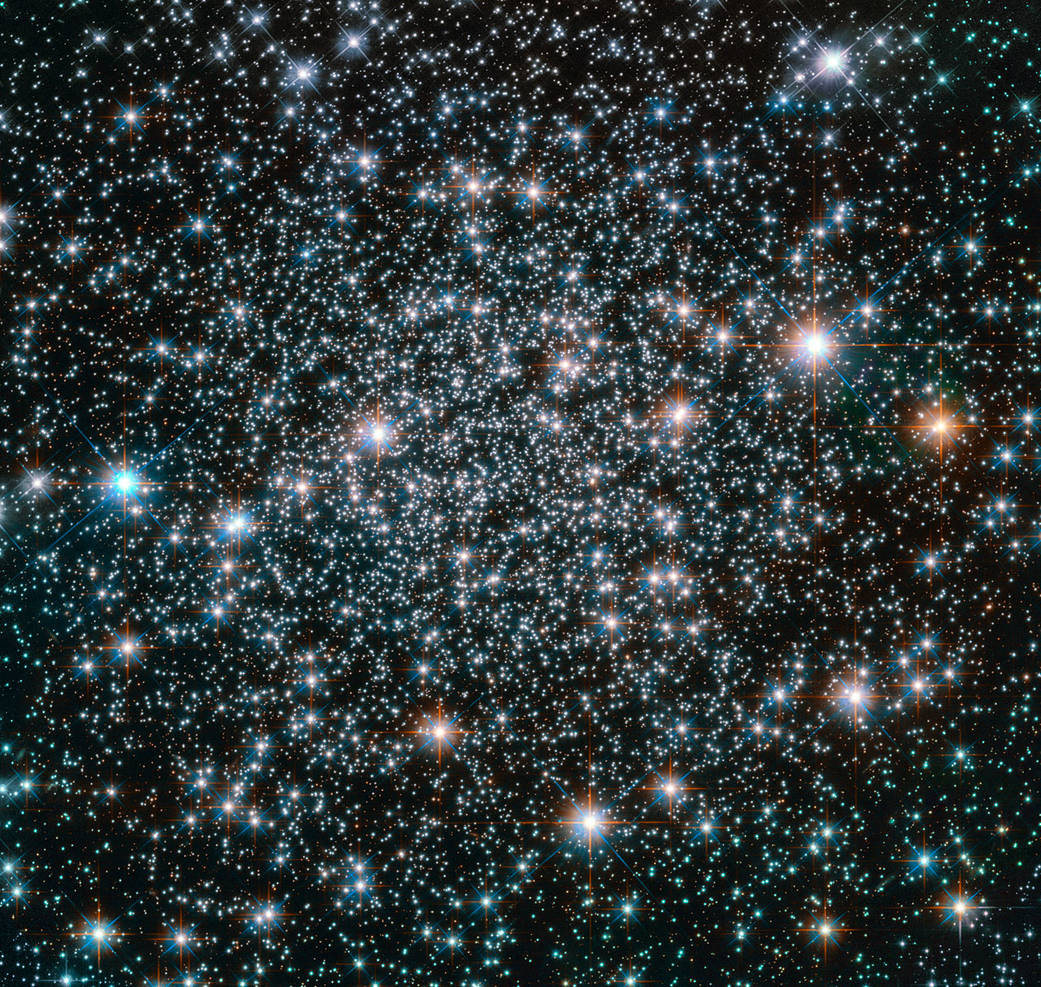
Galaxies are vast collections of stars, gas, dust, and dark matter bound together by gravity. They range in size from dwarf galaxies with just a few million stars to giant galaxies with trillions of stars. Our Milky Way galaxy contains an estimated 100-400 billion stars and is just one of billions of galaxies in the observable universe. Galaxies are the largest gravitationally bound structures in the universe.
Types of Galaxies
Galaxies are classified into three main types based on their shape:
- Spiral Galaxies: Characterized by rotating disks with spiral arms, containing young stars, gas, and dust. Our Milky Way is a spiral galaxy. They have a central bulge and rotating disk structure.
- Elliptical Galaxies: Smooth, oval-shaped galaxies with older stars and little gas or dust. They range from nearly spherical to highly elongated. Most massive galaxies are elliptical.
- Irregular Galaxies: Galaxies without a distinct shape, often the result of gravitational interactions or collisions with other galaxies. They contain lots of gas and dust for star formation.

The Milky Way
Our home galaxy, the Milky Way, is a barred spiral galaxy approximately 100,000 light-years in diameter. It contains our Solar System, which is located about 27,000 light-years from the galactic center in the Orion Arm. The Milky Way has a supermassive black hole at its center called Sagittarius A*, with a mass equivalent to about 4 million suns. It takes the Sun about 225-250 million years to complete one orbit around the galactic center.

Galaxy Formation and Evolution
Galaxies formed from fluctuations in the density of matter in the early universe, about 13.8 billion years ago. Over billions of years, galaxies have evolved through mergers, star formation, and interactions with other galaxies. The study of galaxy evolution helps us understand the history and future of the universe. Galaxies continue to form stars, merge with other galaxies, and evolve over cosmic time.
Amazing Facts
The Milky Way contains 100-400 billion stars
This fact reveals the incredible scale and wonder of our universe.
Click to flip back
Andromeda is the nearest major galaxy to us
This fact reveals the incredible scale and wonder of our universe.
Click to flip back
Galaxies can collide and merge over billions of years
This fact reveals the incredible scale and wonder of our universe.
Click to flip back
Dark matter makes up most of a galaxy's mass
This fact reveals the incredible scale and wonder of our universe.
Click to flip back
Test Your Knowledge
Galaxies Quiz
What type of galaxy is the Milky Way?
Your Next Jump
Continue your journey through the cosmos
Stars
Explore stars and discover more cosmic wonders
Black Holes
Explore black holes and discover more cosmic wonders
Dark Matter
Explore dark matter and discover more cosmic wonders
Cosmology
Explore cosmology and discover more cosmic wonders