Cosmic Rays
Did You Know?
Cosmic rays travel at nearly the speed of light!
What Are Cosmic Rays?
Cosmic rays are high-energy particles (mostly protons and atomic nuclei) that travel through space at nearly the speed of light. Despite their name, they're not rays but particles. Cosmic rays originate from various sources including supernovae, active galactic nuclei, and other high-energy astrophysical events. They constantly bombard Earth, though most are deflected by our magnetic field and atmosphere.
Sources
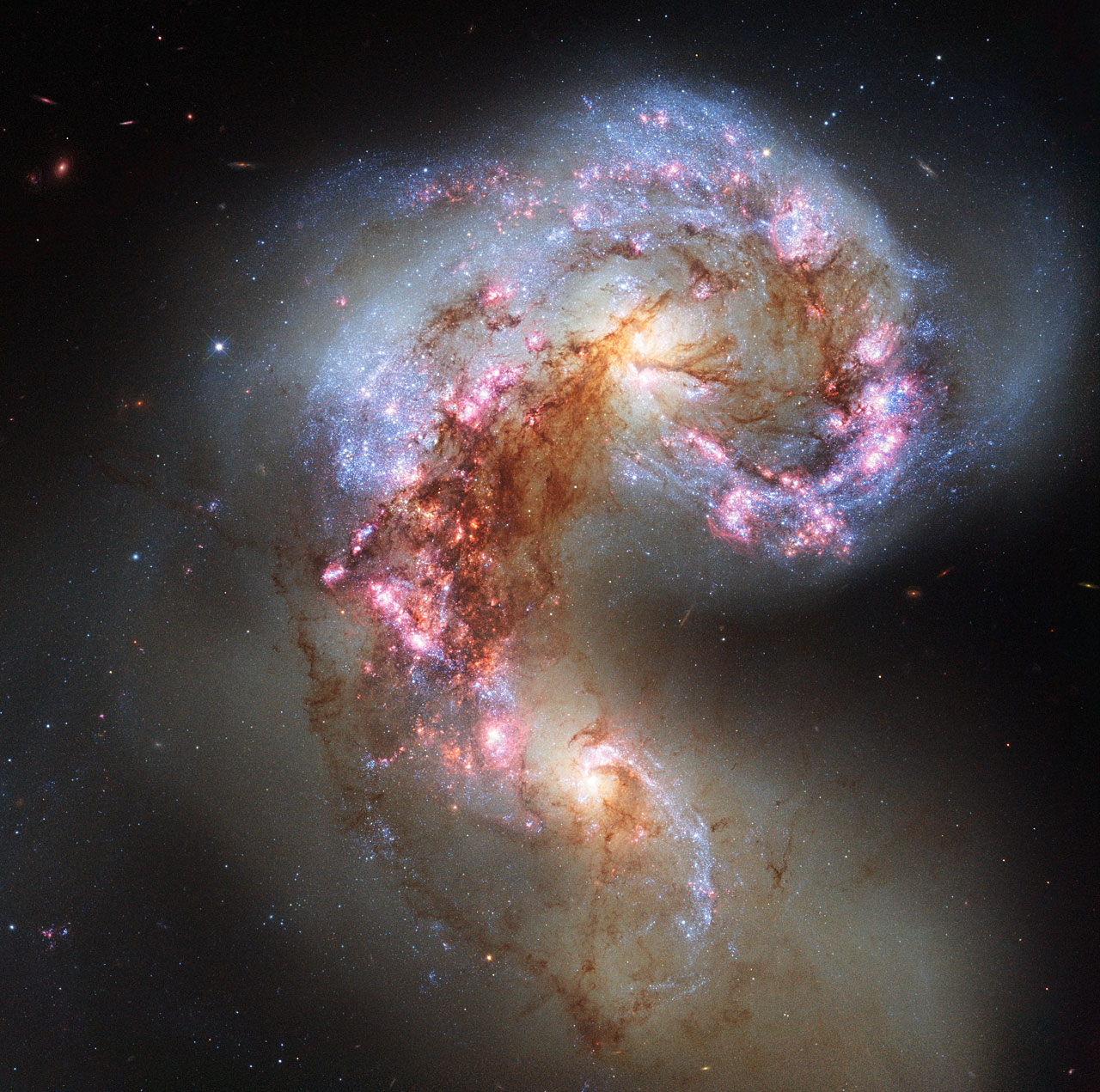
Most cosmic rays come from within our galaxy, accelerated by supernova shock waves. Some ultra-high-energy cosmic rays may come from outside the Milky Way. When a massive star explodes as a supernova, it creates shock waves that can accelerate particles to incredible energies. These particles then travel through space, some eventually reaching Earth.
Effects and Detection
Cosmic rays can create secondary particles when they collide with atoms in Earth's atmosphere. These collisions create showers of particles that can be detected on the ground. Cosmic rays pose radiation risks to astronauts and can cause electronic errors in spacecraft. They're also responsible for some of the carbon-14 in our atmosphere, which is used in radiocarbon dating.
Amazing Facts
Cosmic rays constantly bombard Earth
This fact reveals the incredible scale and wonder of our universe.
Click to flip back
Ultra-high-energy cosmic rays are extremely rare
This fact reveals the incredible scale and wonder of our universe.
Click to flip back
Earth's atmosphere protects us from most cosmic rays
This fact reveals the incredible scale and wonder of our universe.
Click to flip back
Cosmic rays helped discover antimatter
This fact reveals the incredible scale and wonder of our universe.
Click to flip back
Your Next Jump
Continue your journey through the cosmos