
Brown Dwarfs
Did You Know?
Brown dwarfs are too small to be stars but too large to be planets!
What Are Brown Dwarfs?
Brown dwarfs are objects that fall between stars and planets in size. They're too massive to be planets (at least 13 times Jupiter's mass) but not massive enough to sustain hydrogen fusion like true stars (less than about 80 Jupiter masses). Brown dwarfs can briefly fuse deuterium (heavy hydrogen) but not regular hydrogen. They're often called 'failed stars' because they never reached the mass needed to become true stars.

Properties
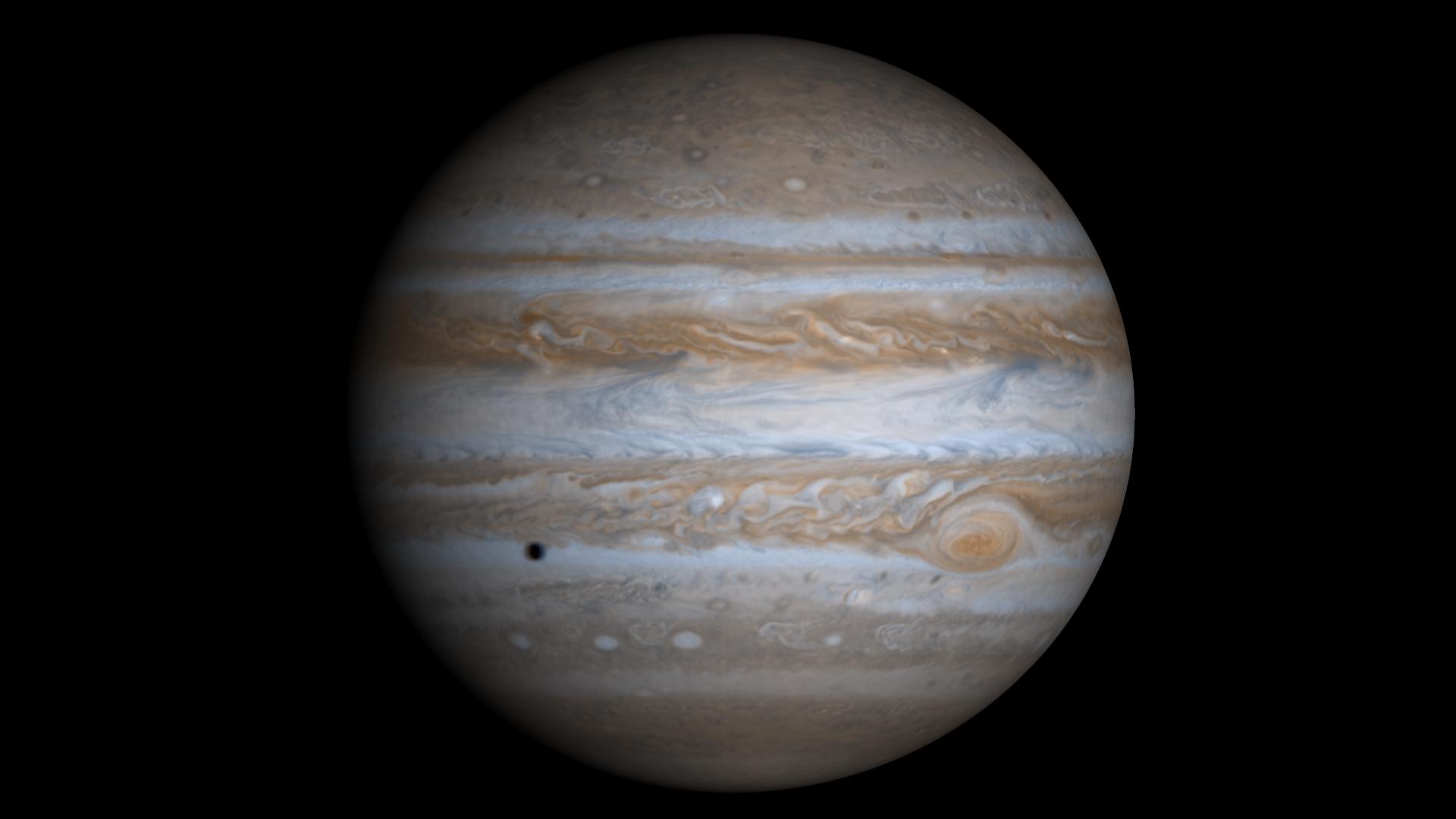
Brown dwarfs are cool objects that glow dimly in infrared light. They're difficult to detect because they're much fainter than stars. Brown dwarfs cool over time, eventually becoming planet-like objects. Some brown dwarfs have atmospheres with clouds and weather patterns. They can be found both as isolated objects and orbiting other stars.
Discovery
The first confirmed brown dwarf, Gliese 229B, was discovered in 1995. Since then, thousands have been identified. Brown dwarfs help us understand the boundary between stars and planets and provide insights into stellar formation processes. They're common in the galaxy, possibly as numerous as stars.
Amazing Facts
Brown dwarfs are 13-80 times Jupiter's mass
This fact reveals the incredible scale and wonder of our universe.
Click to flip back
Brown dwarfs cool and fade over billions of years
This fact reveals the incredible scale and wonder of our universe.
Click to flip back
Some brown dwarfs have surface temperatures below freezing
This fact reveals the incredible scale and wonder of our universe.
Click to flip back
Brown dwarfs can have weather and clouds
This fact reveals the incredible scale and wonder of our universe.
Click to flip back